How to Write an About Page People Actually Read
The About page is quietly one of the most visited pages on any small business website — and the most miswritten. Most of them are about the company. The good ones are about the customer. Here's how to write one that people finish, and that earns you the inquiry.
It's not your story. It's theirs.
Visitors don't come to your About page to admire your journey. They come to answer one question: can this person help me, and do I trust them? Everything on the page should serve that question. Your story matters — but only in the parts that prove you understand the customer's problem and have solved it before.
A simple structure that works
Open with the customer's problem. One or two lines naming what your customer is dealing with. "You need a website that brings in calls, not one that just sits there looking pretty" beats "Welcome to our website" every time.
Then introduce yourself as the guide. Who you are, what you do, and — this is the part most pages skip — why you're good at it. One short paragraph. Credentials and years of experience go here, briefly.
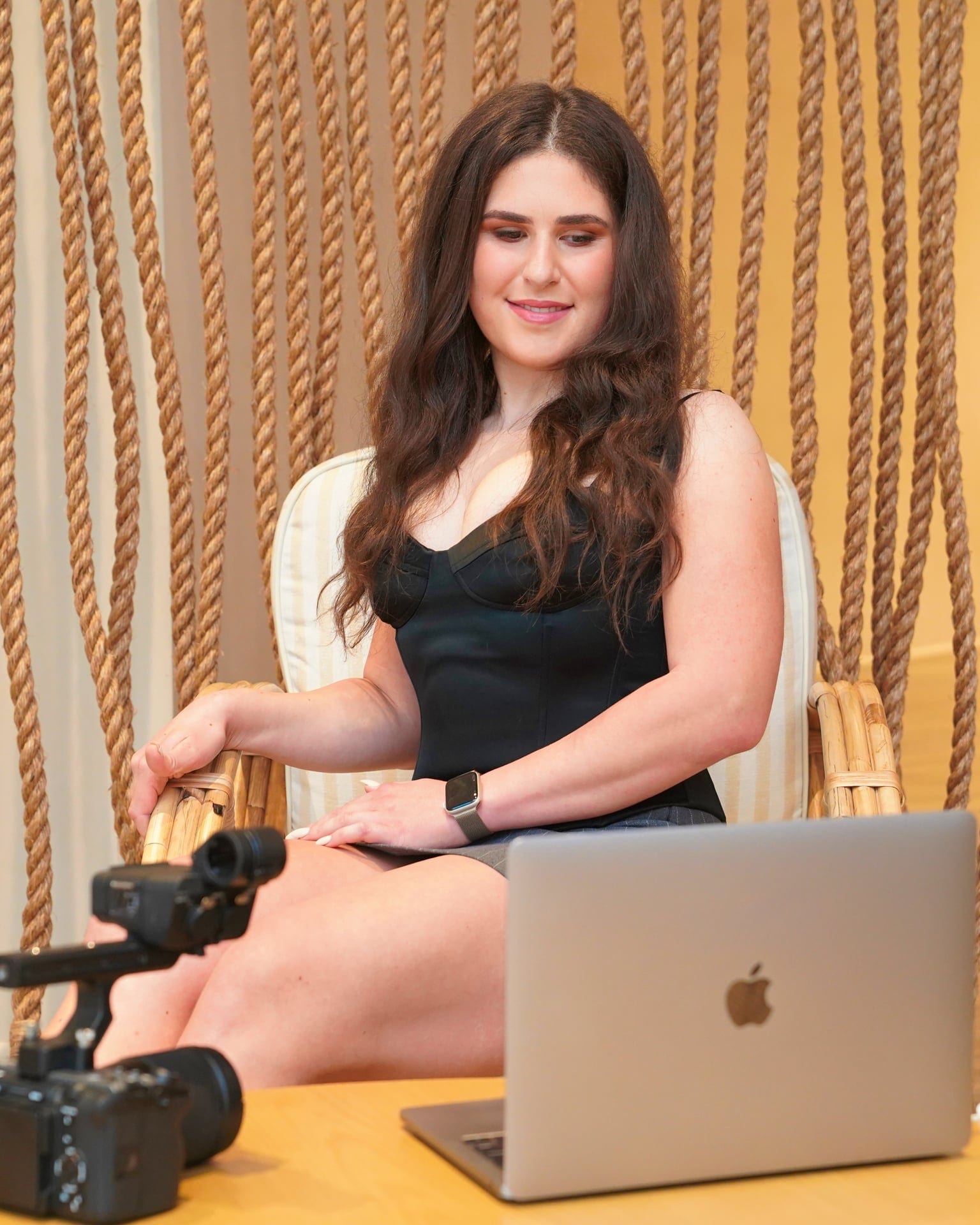
Show proof. A photo of you or your team, a line from a real review, a quick stat. Proof turns a claim into a belief.
End with the next step. The About page is not the finish line. Close with a link to your services or a short "if that sounds like what you need, let's talk" — with a button.
Three mistakes to avoid
The mission statement opening. "Our mission is to deliver innovative solutions..." — every visitor's eyes slide right past it. Start with the customer instead.
The timeline essay. A decade-by-decade company history is for a museum plaque, not a web page. If the history genuinely matters, compress it into one line that shows why it helps the customer today.
No face. Anonymous "we" copy with no names and no photos reads like a corporation to a visitor who was hoping to find a person. Names, faces, and a real voice build trust faster than any adjective.
How long should it be?
Short enough to read in two minutes, long enough to feel real — roughly 300 to 500 words. Write the way you'd explain your business to a neighbor: plain words, short sentences, no buzzwords. Read it out loud once; anywhere you stumble, rewrite.
The bottom line
A good About page does one job: it turns a stranger into someone willing to reach out. Name their problem, show you've solved it, prove it, and hand them the next step. If you'd like an outside read on yours, send it my way — I'll tell you what a first-time visitor actually takes away from it.